 sunyoungsolar@hotmail.com

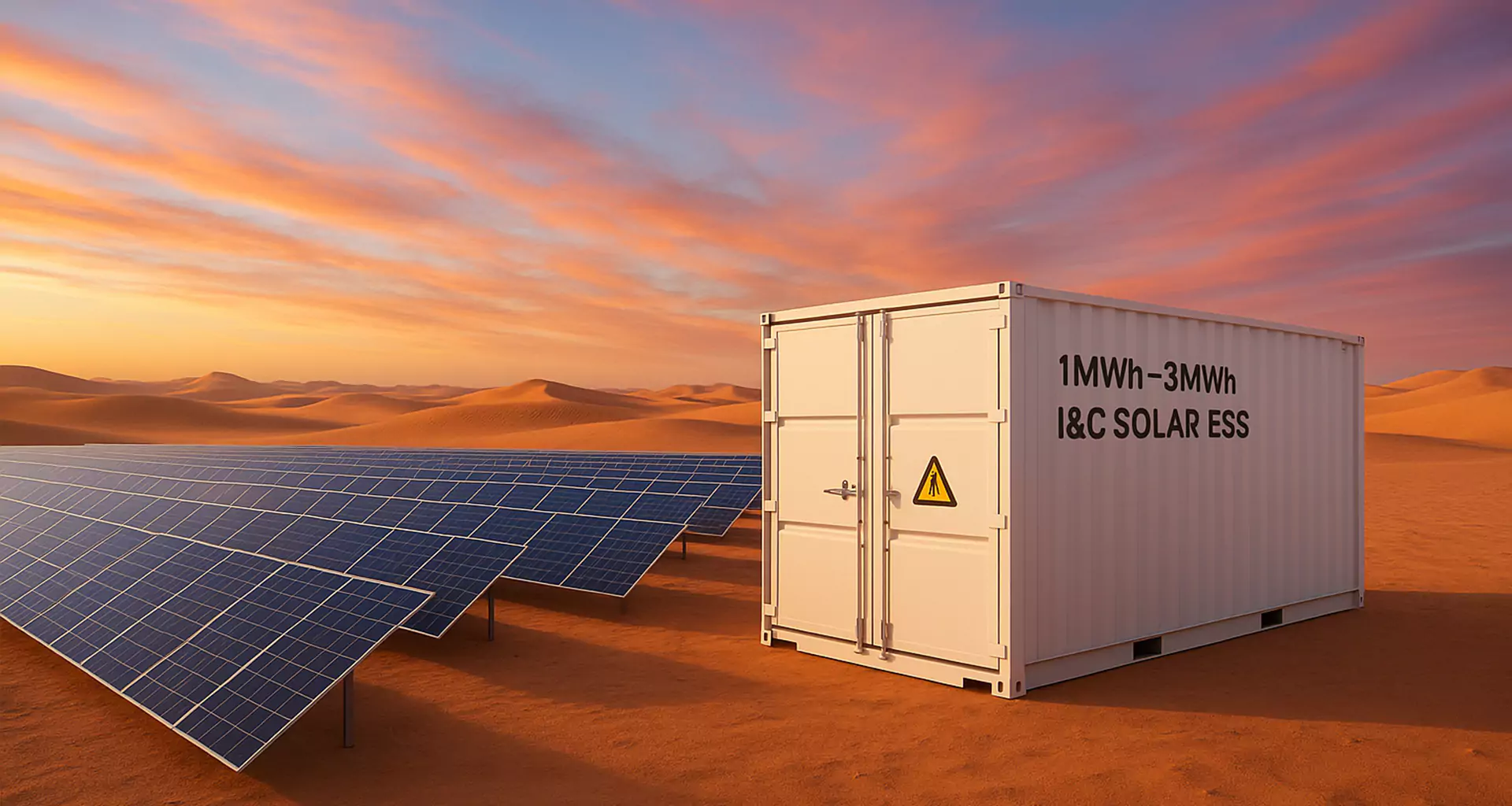
Energy Storage Battery Development: China Leads the Rapid Rise of the Global New Energy Storage Market
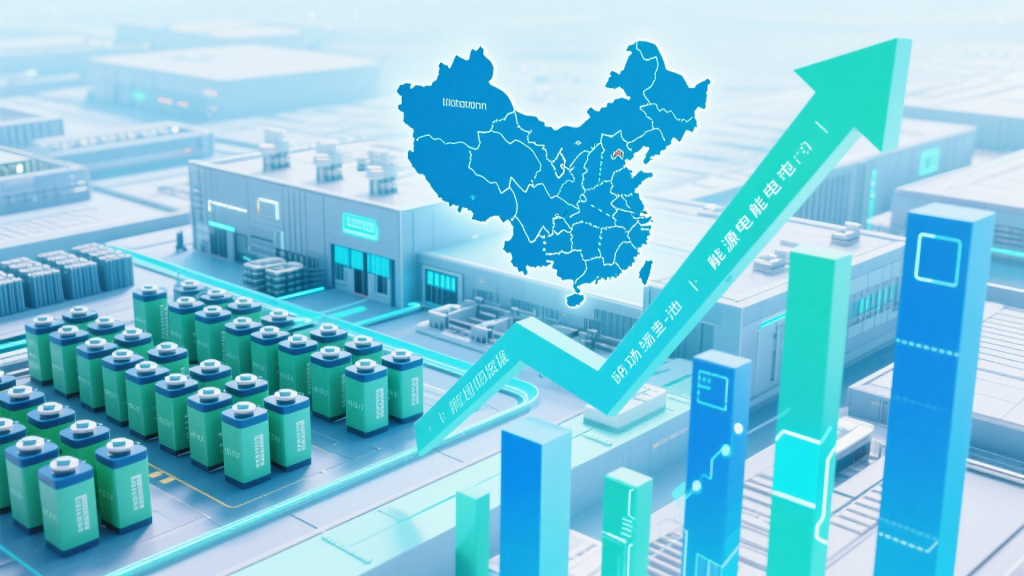
Energy storage batteries are experiencing unprecedented rapid development, with China becoming the world's largest new energy storage market, leading in technological innovation, industrial scale, and policy support. The following provides a comprehensive overview of the current development status of energy storage batteries from five aspects: market scale, technological pathways, policy environment, development trends, and future prospects.
I. Rapid Growth in Market Scale, China Dominates Globally
By the end of 2025, China's cumulative installed capacity of new energy storage reached 144.7 GW, an 85% year-on-year increase, accounting for over 40% of the global total installed capacity and firmly ranking first in the world. In 2025, 66.43 GW/189.48 GWh of new capacity was put into operation, with power and energy scale increasing by 52% and 73% year-on-year respectively, demonstrating strong growth momentum.
Globally, energy storage battery shipments reached 651.5 GWh, a 76.2% year-on-year increase. Chinese companies performed particularly well, accounting for 94.4% of global shipments, almost monopolizing the global energy storage battery supply chain. This data fully demonstrates China's absolute advantage in energy storage battery manufacturing.
II. Diversified Development of Technological Pathways, Continuous Emergence of Innovations
Energy storage technology is developing in a diversified direction, with different technological pathways each having their own characteristics to meet the needs of various application scenarios.
Lithium-ion batteries still dominate. Lithium iron phosphate batteries, as the mainstream technology, added 59.3 GW/173.4 GWh of new installed capacity in 2025, accounting for 91.8% (power). Large-capacity cells are accelerating towards 500Ah+, with CATL's 587Ah cells already in mass production and delivery, marking further improvement in energy density and cost-effectiveness of energy storage batteries.
Sodium-ion battery commercialization accelerates. In 2025, sodium battery energy storage technology achieved breakthrough progress, with the nation's first large-capacity sodium-ion battery energy storage power station put into operation in Guangxi. Leading companies' mass-produced cells achieved energy densities of 160-175 Wh/kg, laying the foundation for large-scale applications.
Semi-solid/solid-state batteries achieve breakthroughs. The 200 MW/800 MWh semi-solid-state battery energy storage project in Wuhai, Inner Mongolia, was connected to the grid, setting a new record for the installed capacity of grid-connected semi-solid-state lithium battery energy storage projects in China, demonstrating the application potential of next-generation battery technologies.
Flow batteries dominate in long-duration energy storage. All-vanadium flow batteries, with their long lifespan and high safety characteristics, perform prominently in the long-duration energy storage field, adding 1.1 GW/4.7 GWh of new installed capacity in 2025.
Other technological pathways develop simultaneously. Compressed air energy storage added 1.3 GW/7.4 GWh of new installed capacity, flywheel energy storage added 223 MW, and supercapacitors added 207 MW, forming a diversified and complementary technological landscape.
III. Continuous Increase in Policy Support, Continuous Optimization of Industrial Development Environment
The Chinese government attaches great importance to the development of the energy storage industry and has introduced a series of supportive policies. Eight departments including the National Development and Reform Commission and the National Energy Administration jointly issued the "Action Plan for High-Quality Development of the New Energy Storage Manufacturing Industry," proposing to cultivate 3-5 ecosystem-leading enterprises by 2027 to promote synergistic development of the industrial chain.
The simultaneously released "Action Plan for Large-Scale Construction of New Energy Storage (2025-2027)" clarifies development goals: it is expected that the nation will add over 100 million kilowatts of installed capacity within three years, reaching over 180 million kilowatts by the end of 2027. These policies provide strong guarantees for the long-term healthy development of the energy storage industry.
IV. Clear Major Development Trends, Continuous Expansion of Application Scenarios
Energy storage battery development shows several clear trends:
Long-duration energy storage becomes a development focus. With increasing penetration of renewable energy, demand for long-duration energy storage of over 4 hours has significantly increased, accelerating iteration of lithium battery long-duration energy storage products to meet grid peak shaving and frequency regulation needs.
Grid-forming energy storage scales up applications. In 2025, grid-forming energy storage moved from technological verification to a new stage of large-scale application, enhancing grid stability and reliability.
AI empowers energy storage safety. Artificial intelligence technology is more widely applied in energy storage safety warning, operation and maintenance management, improving the intelligence level of energy storage systems.
Hybrid energy storage develops rapidly. Hybrid energy storage added 7.7 GW/21.5 GWh of new installed capacity in 2025, a 127.3% year-on-year increase, with various technology combinations optimizing system performance.
Continuous expansion of application scenarios. Energy storage applications have expanded from traditional power generation side and grid side to new scenarios such as industrial and commercial energy storage and AI data center (AIDC) energy storage configuration, further expanding market space.
V. Future Outlook: Transition from Regulation Tool to System Hub
Looking ahead, global energy storage installed capacity is expected to grow by no less than 40% year-on-year in 2026, maintaining a high growth trend. With continuous technological innovation and improvement of market mechanisms, energy storage batteries will play an increasingly important role in building new power systems.
Energy storage batteries are transitioning from mere power regulation tools to key hubs of new power systems, becoming core elements supporting high-proportion renewable energy consumption and ensuring safe and stable grid operation. As a global leader in the energy storage industry, China will continue to play an important role in technological innovation, industrial upgrading, and market expansion, promoting the global energy transition process.
Find Your Solar + Battery Storage Specialist Now!
* Fill out this form and our experts will help you find the perfect solar storage solution for your home or business.