 sunyoungsolar@hotmail.com

What Makes a Good Inverter? Key Characteristics to Look For
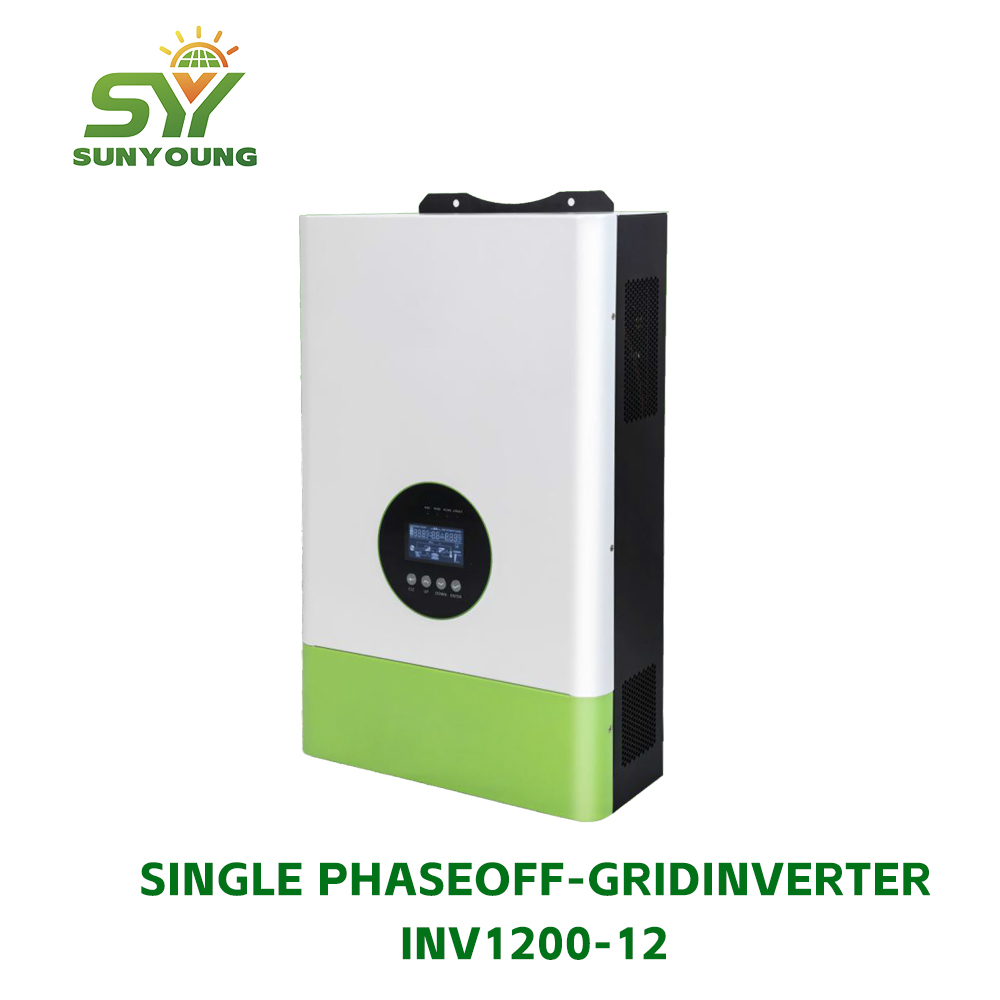
In today’s energy-driven world, inverters play a pivotal role in converting direct current (DC) to alternating current (AC), powering everything from residential solar systems to industrial equipment. But with countless options on the market—including models with warranties as short as 2 years—how do you distinguish a high-quality inverter from a subpar one? A good inverter isn’t just about converting power—it’s about efficiency, reliability, safety, and adaptability, regardless of warranty length. Below, we break down the essential traits that define a top-tier inverter, plus key considerations for 2-year warranty models, helping you make an informed decision for your energy needs.
1. Exceptional Energy Efficiency
Energy efficiency is the cornerstone of a good inverter. The best models boast high conversion efficiency ratings, typically 95% or higher (often referred to as “efficiency class” or “maximum efficiency”). This means less energy is wasted during the DC-to-AC conversion process, translating to lower electricity bills and a smaller carbon footprint. Look for inverters certified by reputable organizations like TÜV, UL, or IEC, as these certifications validate efficiency claims independently of warranty terms. For solar systems, MPPT (Maximum Power Point Tracking) technology is a must—this feature optimizes power output by adjusting to sunlight variations, ensuring your system generates the most energy possible even on cloudy days, a benefit that persists long beyond a 2-year warranty.
2. Robust Reliability and Durability (Even with a 2-Year Warranty)
A good inverter should stand the test of time, even if the manufacturer offers a standard 2-year warranty. Durability starts with high-quality components: premium capacitors, rugged circuit boards, and corrosion-resistant enclosures. Look for models designed to withstand extreme temperatures (ranging from -20°C to 60°C or wider), humidity, and dust—critical for outdoor installations like solar arrays. While industry leaders like Tesla and BYD offer 10–15 year warranties for their premium systems ¹, a 2-year warranty doesn’t inherently signal poor quality. Many reputable brands (including commercial leaders like Huawei for certain PCS components ¹) use 2-year base warranties to balance affordability, while still engineering products to last 10+ years with proper maintenance.
When evaluating a 2-year warranty inverter, check:
- Component quality: Premium parts (e.g., long-life capacitors, military-grade circuit boards) indicate the inverter is built to outlast its warranty.
- Operating conditions: Models rated for harsh environments (extreme temps, high humidity) are more likely to remain reliable post-warranty.
- Manufacturer reputation: Brands with positive long-term user reviews (even for 2-year warranty lines) often deliver consistent durability.
- options: Many manufacturers offer paid or promotional extended warranties—for example, brands like Deye have extended warranties from 10 to 15 years to address customer concerns ³, while others follow Nuotai’s model of offering 延保 via referrals or direct purchase ².
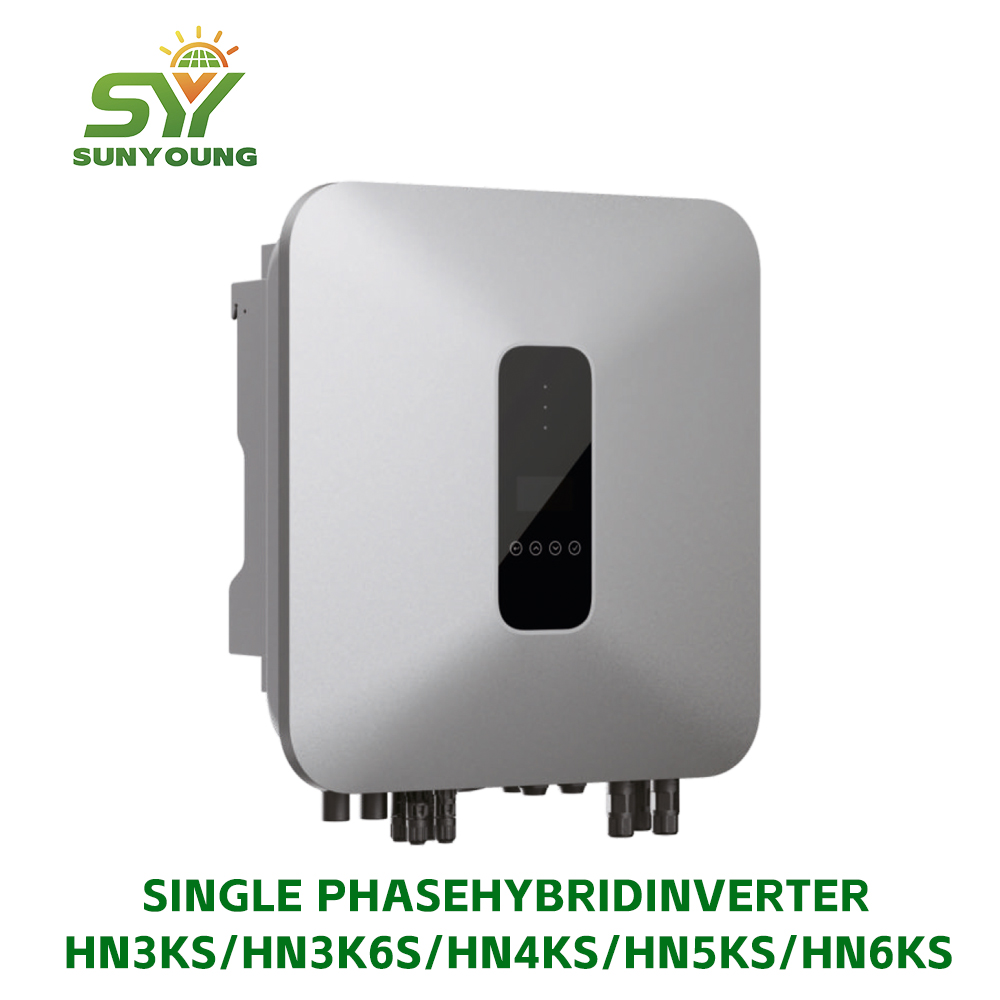
3. Advanced Safety Features
Safety is non-negotiable when it comes to electrical equipment, regardless of warranty length. A top-notch inverter includes multiple safety protections to prevent hazards such as overheating, overvoltage, short circuits, and ground faults. Key features to look for include:
- Overload protection: Shuts down the inverter if the load exceeds its capacity.
- Temperature control: Activates cooling fans or shuts down to avoid overheating.
- Isolation between DC and AC: Prevents electrical leakage and ensures user safety.
- Surge protection: Guards against voltage spikes from grid fluctuations or lightning.
Certifications like UL 1741 (for grid-tied inverters) or IEC 62109 are critical—they confirm the inverter meets strict safety standards that reduce long-term failure risks, even after the 2-year warranty expires. For example, Deye upgraded its microinverters with external relays to comply with VDE4105 standards and extended warranties to 15 years, demonstrating how safety compliance and warranty confidence go hand-in-hand ⁵.
4. Seamless Compatibility and Flexibility
A good inverter should integrate smoothly with your existing or planned energy system, a value that remains relevant beyond the warranty period. For solar setups, compatibility with solar panels (both monocrystalline and polycrystalline) and battery storage systems is crucial. Grid-tied inverters must comply with local grid codes (e.g., T/CES 304-2024 standards for Chinese grids ⁴) to ensure stable connection, while off-grid models should support a wide range of battery types (lithium-ion, lead-acid) and offer sufficient surge power for heavy-duty appliances. Flexibility in input voltage ranges also allows the inverter to adapt to varying energy sources—from RVs and boats to remote cabins—making it a long-term asset even if the warranty ends after 2 years.
5. User-Friendly Monitoring and Control
Modern inverters should empower users to track performance and manage energy usage easily, helping you detect issues early and extend the inverter’s life beyond its 2-year warranty. Look for models with built-in monitoring systems, either via a digital display on the unit or a mobile app/web portal. Real-time data such as energy output, efficiency, and system status helps you identify potential problems (e.g., declining efficiency, overheating) before they lead to failure. Some advanced inverters also offer remote control features, allowing you to adjust settings or troubleshoot from anywhere—proactive monitoring that can significantly extend the inverter’s lifespan post-warranty. Intuitive interfaces and clear maintenance documentation are also key, as proper care (e.g., cleaning vents, checking connections) can keep a 2-year warranty inverter running reliably for decades.
6. Low Noise and Minimal Maintenance
A good inverter operates quietly, especially for residential use, and requires minimal maintenance—both important for long-term satisfaction after the warranty expires. Inverters with fan-less designs or low-noise cooling systems avoid disrupting your home or workspace. Additionally, minimal maintenance requirements save time and money over the inverter’s lifespan: high-quality components reduce the need for frequent repairs, and easy access to parts (if needed) ensures quick troubleshooting. For fan-cooled models, regular cleaning of air vents is typically the only maintenance task required—simple upkeep that can help a 2-year warranty inverter maintain peak performance for years.
Conclusion
A good inverter is a combination of efficiency, reliability, safety, compatibility, and user-centric design—traits that matter far more than warranty length alone. While a 2-year warranty may seem short compared to industry-leading 10–15 year coverage ¹, it can still be a smart choice if the inverter meets the above criteria. When shopping for a 2-year warranty model, prioritize certified efficiency, premium components, advanced safety features, and user-friendly monitoring to ensure it delivers value long after the warranty expires. Don’t forget to explore options, as many brands offer affordable ways to extend coverage. Whether you’re investing in a solar system, upgrading your backup power setup, or powering off-grid equipment, focus on the inverter’s core qualities and manufacturer reputation—with the right choice, you’ll unlock the full potential of your energy system for years to come, even with a 2-year warranty.
Find Your Solar + Battery Storage Specialist Now!
* Fill out this form and our experts will help you find the perfect solar storage solution for your home or business.