 sunyoungsolar@hotmail.com

The Future of Solar 4G Security Cameras: Trends, Opportunities and SEO Insights
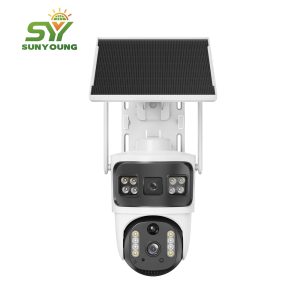
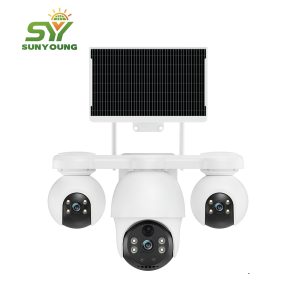
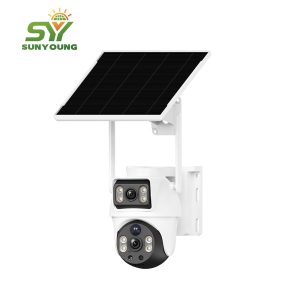
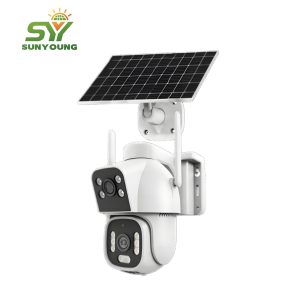
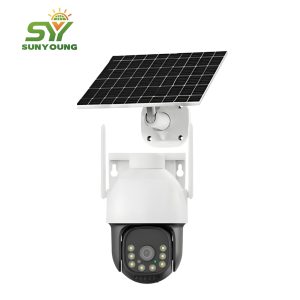
As global energy and security needs evolve, solar-powered 4G security cameras are emerging as a pivotal solution. Combining off-grid power with cellular connectivity, they are redefining surveillance for remote and challenging environments. This article explores the key market drivers, technological advancements, and future applications of this innovative technology, providing valuable insights for businesses and consumers alike.
Market Overview and Growth Drivers
The market for IoT-based solar monitoring systems, which encompasses these cameras, is on a solid growth trajectory. Industry research indicates the global market is projected to grow from $118 million in 2025 to $146 million by 2031, representing a steady compound annual growth rate (CAGR) of 3.60%.
This growth is fueled by several key factors:
- Demand for "No Power, No Network" Solutions: In the broader consumer camera market, products that operate without traditional power or broadband infrastructure have become a significant highlight. In 2025, 4G cameras alone accounted for over 30% of online sales in this category, proving a strong market fit.
- Solving Real-World Installation Challenges: These systems directly address the pain points of monitoring construction sites, farms, rural properties, and temporary installations where running cables for power and internet is impractical or prohibitively expensive.
- Sustainability Trends: Aligning with global "green" initiatives and carbon reduction goals, solar-powered devices offer an eco-conscious security alternative.
Technological Integration and Advancements
The future of solar 4G cameras lies in their integration with broader technological trends, moving beyond standalone devices.
- Convergence with IoT and AI: Modern systems are not just cameras; they are IoT endpoints. They collect and transmit data via 4G/5G or LPWAN protocols (like NB-IoT) to cloud platforms for analysis. The integration of AI algorithms enables smarter features such as accurate person/vehicle detection, anomaly alerts, and predictive analytics, transforming raw video into actionable intelligence.
- Hardware and Power Innovations: Advancements in high-efficiency solar panels, larger-capacity batteries, and ultra-low-power chipsets are extending operational times and reliability. This ensures cameras function consistently through periods of low sunlight.
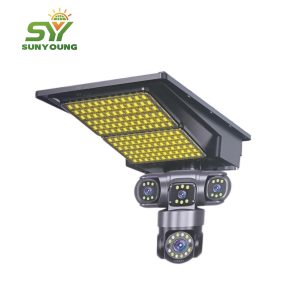
- Hybrid and Multi-Function Designs: A significant trend is the fusion of functionalities into single devices. We are seeing the rise of products like solar 4G light pole cameras, which combine surveillance, LED lighting, and sometimes public address systems, ideal for smart city and perimeter security applications.
Key Application Scenarios and Market Segmentation
The versatility of solar 4G cameras unlocks value across diverse sectors. Market analysis typically segments applications as follows:
| Application Segment | Key Characteristics & Use Cases |
|---|---|
| Residential / Distributed Systems | Remote home monitoring, vacation property security, farmstead oversight. |
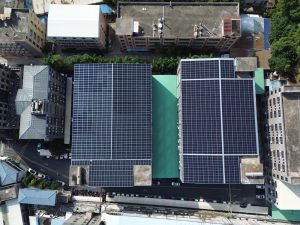
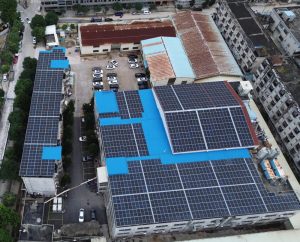
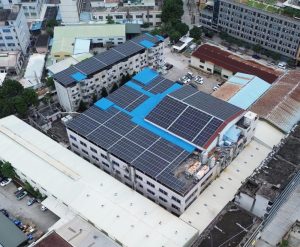
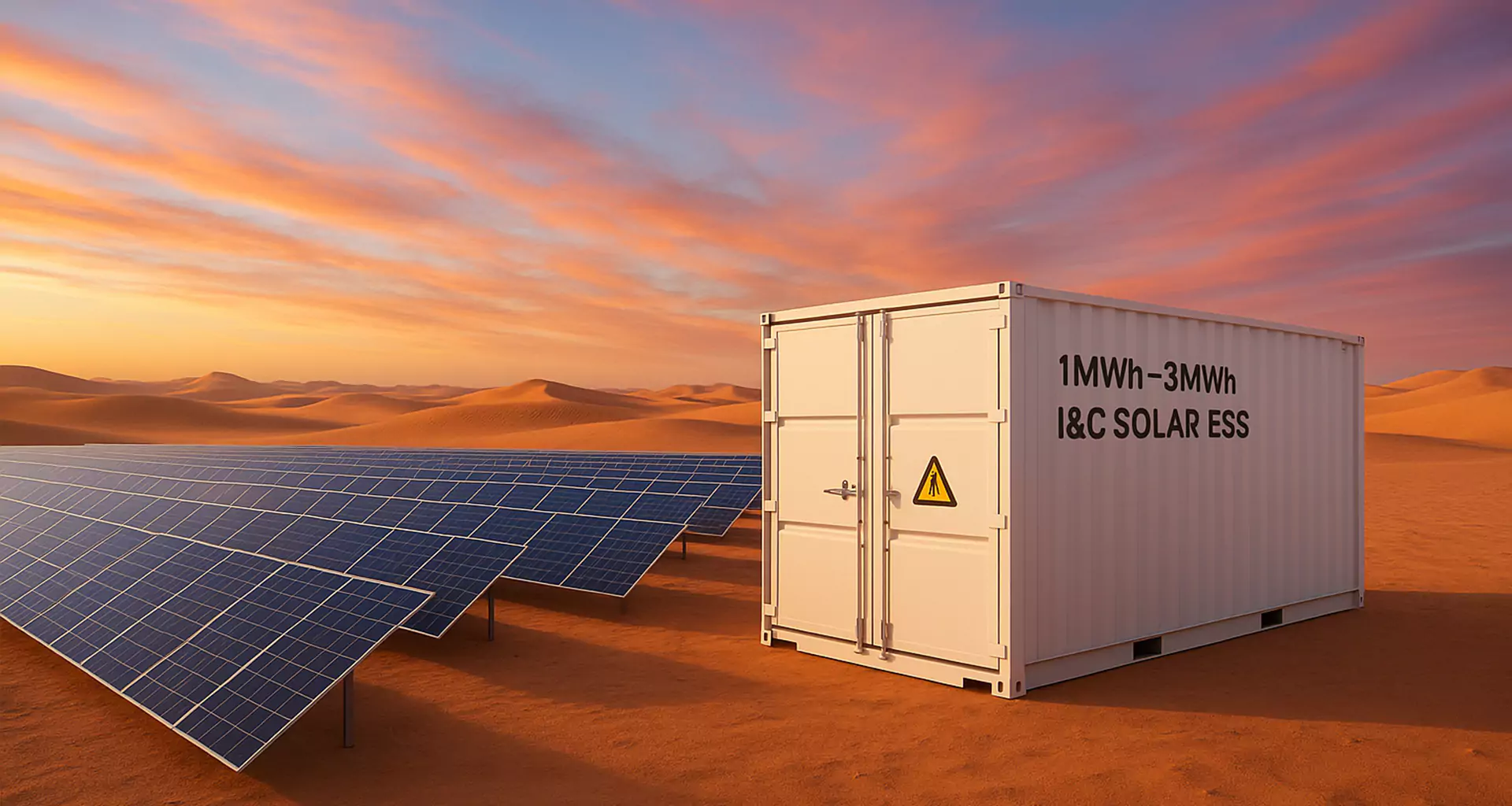
| Commercial & Industrial (C&I) Solar Plants | Monitoring of solar panel fields, equipment security, and preventative maintenance for optimal energy output. |
| Large-Scale Ground-Mounted Power Stations | Wide-area security, theft prevention, and automated performance monitoring of utility-scale installations. |
Beyond energy, emerging niche applications are driving adoption, including wildlife research and hunting cameras, ranch and aquaculture management, and even specialized devices like smart bird feeders with integrated cameras.
The Future Outlook: Beyond Basic Surveillance
Looking ahead, solar 4G cameras will evolve from simple monitoring tools into intelligent nodes within larger ecosystems.
- Integration with Smart Grids and VPPs: For solar energy producers, these cameras will form part of a comprehensive monitoring solution. Data on performance, security, and environmental conditions will feed into smart grid management and even Virtual Power Plant (VPP) platforms, contributing to grid stability and optimized energy trading.
- Enhanced Edge Computing: More processing will occur on the device itself (at the "edge"). This will allow for faster response times—like triggering alarms or lights instantly—and reduce bandwidth costs by sending only essential data or clips to the cloud.
- Synergy with 5G and Satellite Communication: The rollout of 5G networks will provide higher bandwidth for streaming high-definition or 360-degree video. Furthermore, satellite IoT connectivity will eventually offer a backup or primary solution for cameras deployed in extremely remote areas beyond cellular coverage.
SEO and Content Marketing Insights for the Industry
For businesses marketing these products online, understanding search behavior is critical. Here are actionable insights:
- Target Scenario-Based Keywords: Customers search for solutions to problems. Optimize content for long-tail keywords related to specific use cases, such as "solar security camera for rural property without internet" or "4G camera for construction site monitoring."
- Highlight Technical Specifications and Certifications: International buyers prioritize technical details, reliability, and safety. Ensure product pages clearly list weatherproof ratings (IP66+), battery life data, supported cellular bands, and relevant certifications (e.g., CE, FCC). This builds trust and meets informed search queries.
- Create Educational and Comparison Content: Develop blog posts, videos, or buying guides that explain how solar 4G cameras work, compare them to traditional wired systems, and offer installation tips. This addresses top-of-funnel searches and establishes your brand as an authority.
- Optimize for Mobile and Local Searches: A significant portion of B2B and consumer searches happen on mobile devices. Ensure your website offers an excellent mobile experience with fast loading times. If targeting specific regions (e.g., "solar cameras in Australia"), create locally relevant content.
Conclusion
The trajectory for solar 4G security cameras is marked by smarter technology, deeper integration, and expanding applications. They have successfully transitioned from a niche product to a mainstream solution for off-grid security and monitoring. As solar efficiency, battery storage, and connectivity continue to advance, these devices will become even more robust and integral to our managed landscapes—from protecting remote assets to ensuring the efficient operation of the renewable energy infrastructure itself. Businesses that innovate in product design and effectively communicate their value through strategic online content will be well-positioned to lead in this growing market.
Find Your Solar + Battery Storage Specialist Now!
* Fill out this form and our experts will help you find the perfect solar storage solution for your home or business.